Explore the wonders of the ocean—from the Mother River to vibrant coral reefs. The Shanghai Ocean Aquarium presents the Earth's diverse ecological marvels to you, ensuring that every visit is a rich and varied experience.
The Mother River — the Yangtze
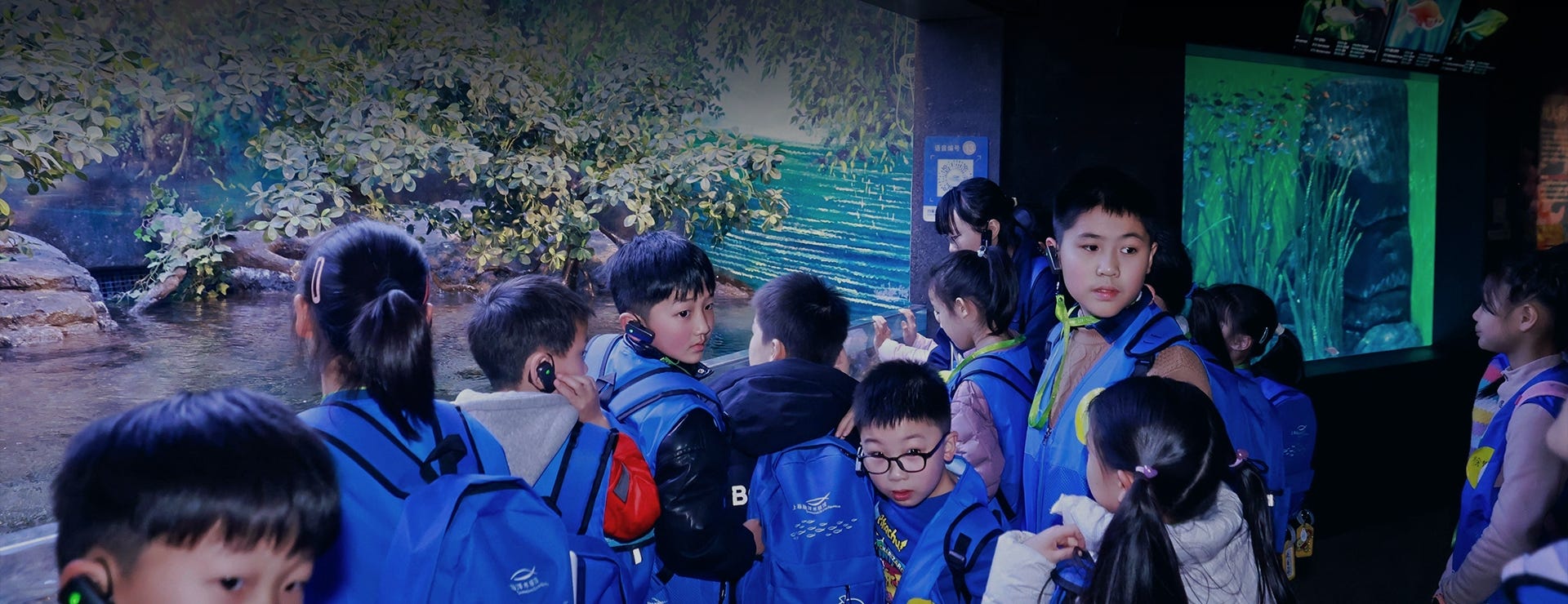
Among the world’s four major river systems, the Yangtze River stands apart. It is not the longest, yet it is one of the most “mysterious” rivers. It has given rise to more than 400 species of fish, spanning plateaus, hills, lakes, and plains. At once, it is one of the world’s oldest cradles of aquatic life and one of its most fragile freshwater ecosystems.

Coastal Guardians — Mangroves
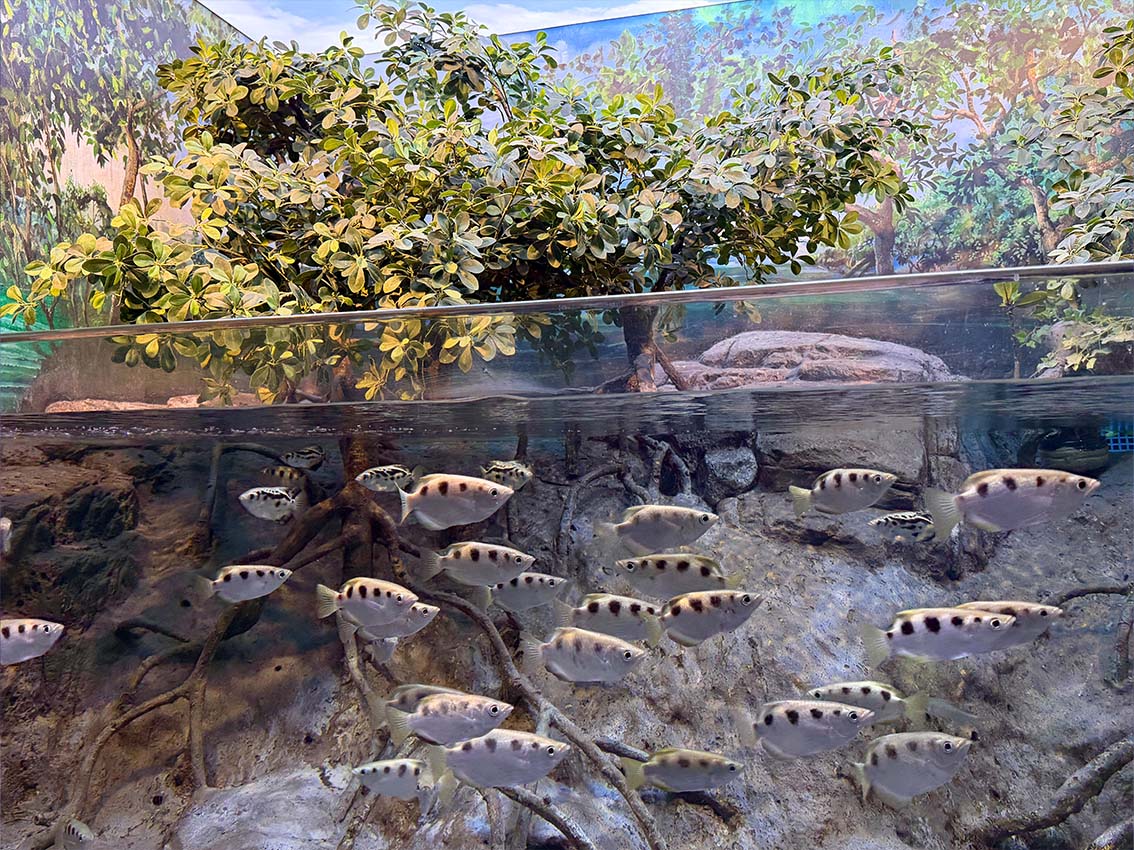
Mangroves are a unique wetland ecosystem found in the intertidal zones of tropical and subtropical coastlines. They are not a single type of tree, but a group of plant communities adapted to high salinity, tidal flooding, and oxygen-poor muddy environments. Mangroves serve as “nurseries” for many fish, shrimp, and shellfish, and are vital habitats for migratory birds. They help break waves, reduce storm surges and coastal erosion, and efficiently store carbon, making them an important “blue carbon” ecosystem.
Farther Than the Cosmos — The Polar Regions
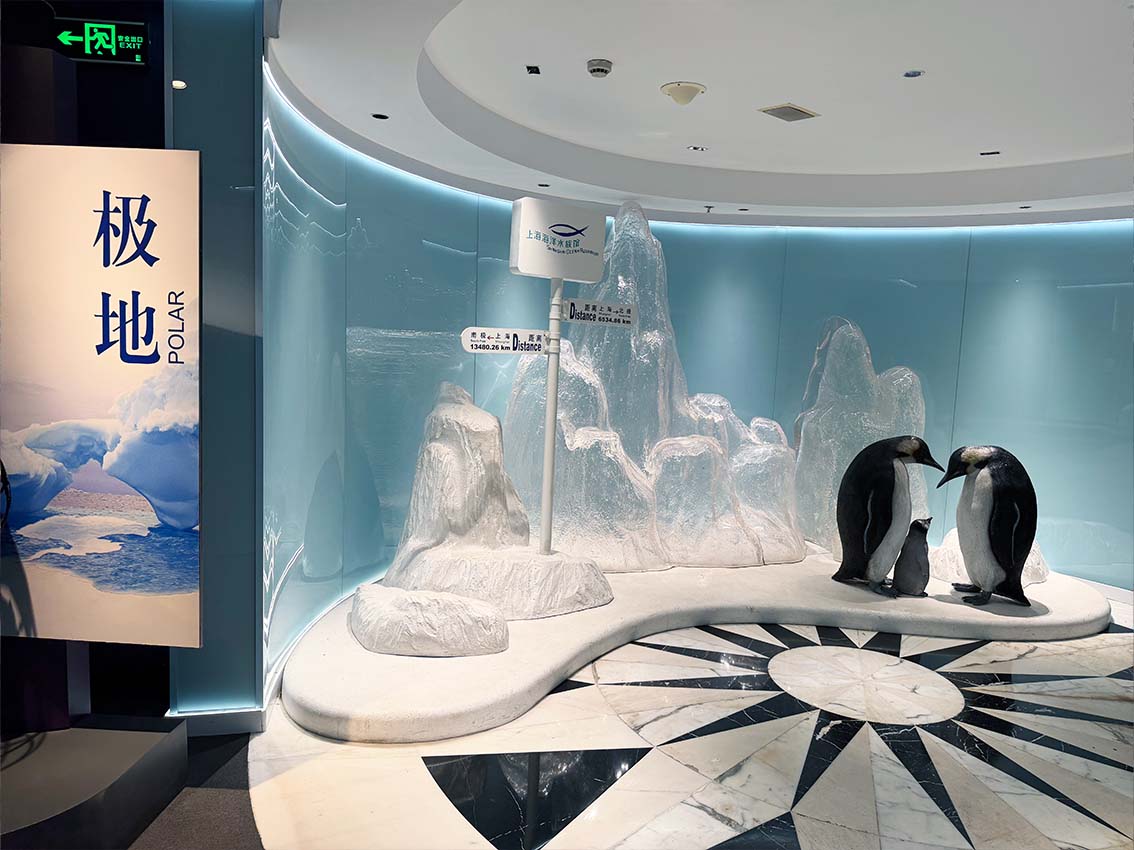
The polar regions refer to the high-latitude areas at the Earth’s northern and southern extremes—the Arctic and the Antarctic. Temperatures remain extremely low year-round, with long, dark winters and short summers. Precipitation is scarce and falls mainly as snow and ice, while vast areas are covered by ice sheets, sea ice, and permafrost.
The polar regions play a crucial role in regulating the global climate by reflecting solar radiation and storing large amounts of carbon in permafrost and the deep ocean. Polar ecosystems are extremely sensitive to environmental change. Climate warming leads to the loss of sea ice and the thawing of permafrost, disrupting food-web stability; once damaged, recovery is extremely slow.
Bursting with Life — Coral Reefs
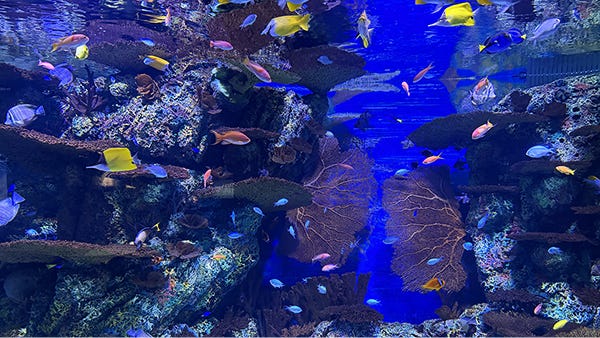
Coral reefs are highly complex and extremely productive marine ecosystems, mainly found in warm, clear, and sunlit shallow waters. Reef-building corals live in symbiosis with zooxanthellae within their tissues: the algae provide energy through photosynthesis, while the corals offer shelter and nutrients, forming a close mutualistic relationship.
Built upon this foundation, reef areas support a vast array of life, including algae, plankton, fish, crustaceans, mollusks, and sea turtles. As a result, coral reefs are known as the “tropical rainforests of the ocean.” Although they cover less than 1% of the ocean’s area, they sustain about 25% of all marine species, making them one of the most biodiverse ecosystems on Earth.